
Why I Built Reportly: A Fashion Director's Five-Year Search for Answers That Didn't Exist
I run a fashion brand called Furniq UK. Leather jackets, outerwear, the kind of product where every detail matters — the cut, the leather, the sizing. I've been doing this for years, and for most of that time, I was making critical business decisions half-blind.
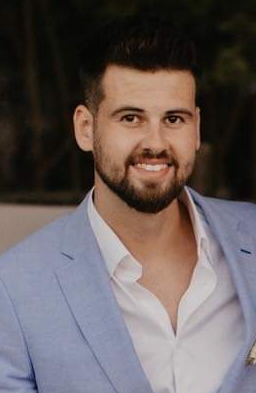
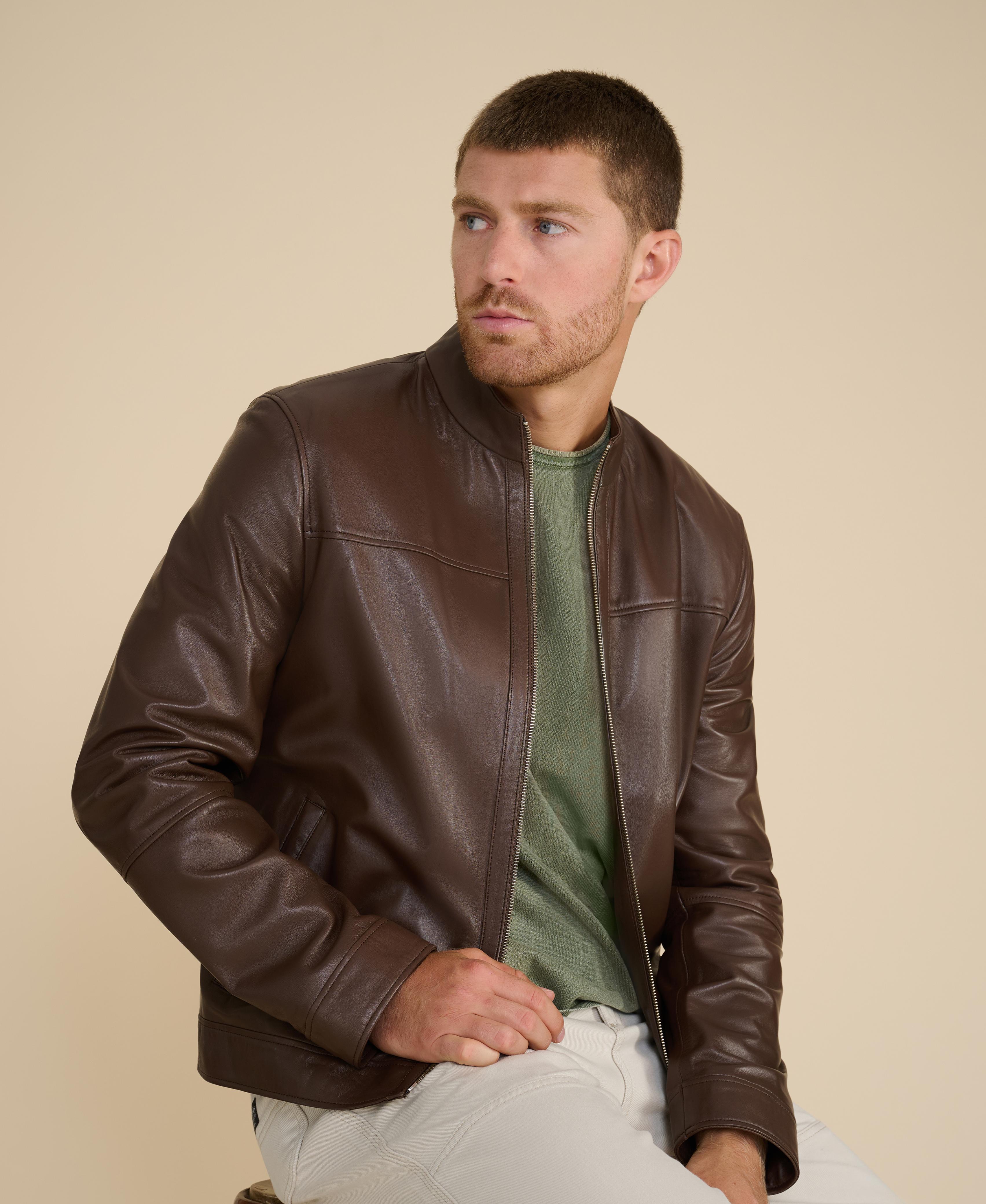
I run a fashion brand called Furniq UK. Leather jackets, outerwear, the kind of product where every detail matters , the cut, the leather, the sizing. I've been doing this for years, and for most of that time, I was making critical business decisions half-blind.
Not because I didn't care about data. I cared too much. That was the problem.
The spreadsheet trap
Every Monday morning looked the same. I'd log into Shopify, pull an export. Then Macy's. Then Nordstrom. Then I'd open the spreadsheets from last week, try to line up order numbers with return reasons, cross-reference sizing data, figure out which products were actually performing and which ones just looked like they were.
By the time I had anything useful, the week was half over. And the data I was looking at was already old. I was always reacting to what had already happened, never getting ahead of what was coming.
That's the trap nobody talks about in fashion. You're always working on historical data. By the time the numbers tell you something's wrong, the damage is done. If a product crosses 40% returns, good luck pulling it back, those units are already out in circulation, already being worn, already being sent back.
I needed to see what was coming, not just what already happened.
The moment it clicked
There was one product that changed everything for me. On the surface, it looked fine. Around 20% return rate overall , nothing to worry about. But something didn't feel right. Sales were strong, the reviews were decent, but certain sizes kept coming back.
I didn't have the tools to dig into it properly. Not at the SKU level, not broken down by size, not with any kind of forward-looking view. So I started building something myself. Just a basic dashboard at first, pulling from our Shopify data, trying to get a clearer picture.
When I finally got the prediction model working, it flagged exactly what I'd been feeling. That product's return rate on one specific size was projected to climb to 60%. The problem was in our manufacturing, the sizing was off, but only on that size, and only noticeable after extended wear. Returns were trickling in slowly, which is why the headline number looked fine. But the model could see the trajectory.
We caught it. We fixed the sizing spec with our manufacturer before the next production run. If we'd waited for the return rate to hit 60% naturally, we'd have already produced another 500 units with the same defect.
That's when I knew this wasn't just an internal tool anymore.
Five years of solving real problems
I'm not a software engineer by training. I'm a director and a data analyst who runs a fashion brand. Fashion is 90% data, following trends, understanding what's selling, figuring out why things get returned, knowing when to reorder and when to cut your losses.
The difference between Reportly and something a typical development team would build is that every feature exists because I needed it to solve a real problem. The return prediction model exists because I was tired of catching sizing issues after they'd already cost me thousands. The channel comparison view exists because I was logging into three different marketplace portals and trying to mentally reconcile completely different data formats. The health score exists because I needed a single number that told me whether a product needed attention, without reading through five reports.
This wasn't a spec document handed to a developer. It was five years of building, testing, breaking, and rebuilding inside a live fashion business. The features aren't hypothetical. They were put into Reportly to fix real problems that I couldn't find any existing solution for and I looked everywhere.
Why now
Reportly runs our business at Furniq UK now. Every product decision, every reorder, every marketplace allocation is informed by it. And every time I speak to another brand owner, I hear the same story: spreadsheets, gut feelings, logging into three different portals, and always being one step behind the returns.
The problems aren't unique to us. Every fashion brand selling across multiple channels is dealing with the same thing, fragmented data, no SKU-level visibility, and zero predictive capability. The difference is we spent five years building the answer.
Reportly isn't a generic analytics dashboard repackaged for fashion. It was born inside a fashion brand, built by someone who needed it to survive, and refined over half a decade of production decisions, return crises, and stockout scares.
We want to give other brands the same capability. Because no one should have to wait until a 40% return rate shows up in a spreadsheet to know something's wrong.
Arin Cubuk is the founder of Reportly and director of Furniq UK, a leather outerwear brand. Reportly was built over five years of in-house development and is now available to fashion brands at reportly.fashion.